

Buyer's Guide · Step 1 of 5
Getting Ready to Buy
Buying a property is one of the biggest financial decisions you'll make. Whether you're a first-time buyer or an experienced investor, here's what to consider before you start.
The buyer's guide
Five steps from first thought to front-door keys
Step 1
Getting Ready to Buy
Why you're buying, your finances and pre-approval.
You are hereStep 2
Choosing an Agent
What to look for in the professional guiding your purchase.
Read step 2Step 3
Starting Your Search
Exploring neighborhoods, narrowing your list and making an offer.
Read step 3Step 4
Inspections & Appraisals
Escrow, inspections, appraisals, title and insurance.
Read step 4Step 5
Closing the Deal
The final walk-through, signing and getting your keys.
Read step 5Mortgage Calculator
Run quick numbers on a monthly payment.
Open the calculator
Why are you buying?
Are you tired of paying rent, or have you simply outgrown your current home? Are you looking for an investment property? Having a clear sense of the "why" behind a purchase helps you weigh the right factors and choose the right property.
Are you ready to invest?
Property ownership has long been one of the top strategies for building wealth, and it still is. Whether you're buying your first home or adding a rental, real estate tends to be a more stable asset than stocks or collectibles.
Other things to consider
Get your finances in order
Stay financially steady
Now is not the time for sudden career changes or large purchases. New loans or big charges can affect your credit and balance sheet in ways that limit your buying options.
Your credit score has a significant impact on the type of property you can buy, your interest rate and the overall price. A lender can pull an updated report from all three credit bureaus (Equifax, Experian and TransUnion) so you know exactly where you stand. We're happy to recommend experienced lenders for residential, construction, commercial and investment purchases.
Pre-qualified vs. pre-approved
The difference is verification. A pre-qualification is a quote based on information you report yourself; the lender usually doesn't check your credit, employment or documents. A pre-approval means the lender has reviewed your credit, verified your employment and looked at pay stubs, bank statements and tax returns.
A pre-approval tells the seller your offer is solid and likely to close.
Organize your paperwork
When it's time to make an offer, having these ready helps you avoid delays and move quickly in a competitive market.
- Bank account statements
- Recent pay stubs
- Tax returns for the last two years
- Financial statements and investment accounts
- Credit card, auto and other loan balances
- Copies of leases for any investment properties
- 401(k), life insurance, stock, bond and mutual fund statements
Tips
Tips for buying the right home
Don't max out your budget
Being approved for an amount doesn't mean you should spend it all on the price. Set some aside for closing costs, taxes and repairs or updates.
Get to know the area
Make sure the neighborhood works for you. Location is the one feature you can't change later.
Don't skip the inspection
An inspection points out problems you might not see and helps you make an informed decision.
Get pre-approved
Pre-approval shows sellers you're serious and ready to buy, not just window shopping.
List your deal breakers
Know what you can live with, what you can't, and what a simple remodel could fix. If you need four bedrooms, a two-bedroom that needs a big addition can break your budget.
Check major systems
Appliances, HVAC, water heater, septic or well, and the roof are among the most expensive features. Note their age and service history. You may be able to ask the seller for a home warranty.
Check HOA requirements
Many neighborhoods have an HOA. Learn the rules and the fees, which are usually billed annually.
Resources for Texas home buyers
What price range can I afford?
The path to homeownership starts with knowing what you can afford, and your down payment is a big part of that. Many people believe you need 20 percent down, but government-backed programs allow some buyers to put down as little as 3.5 percent, and eligible U.S. military veterans have zero-down options.
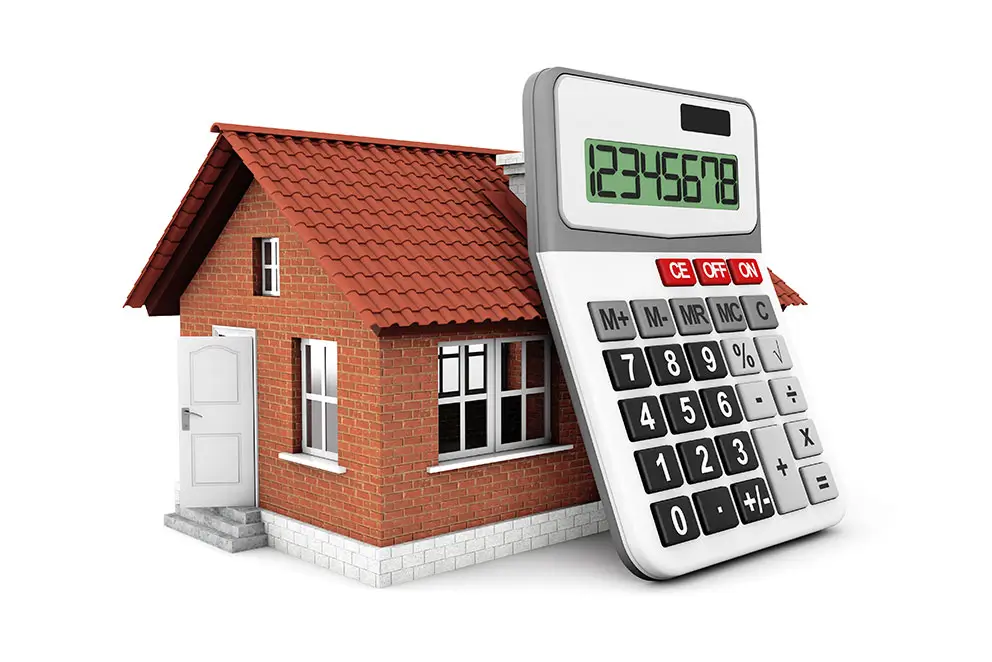
A knowledgeable mortgage loan officer is the best source for current lending options. Ask us for a referral, or run rough numbers with our free mortgage calculator.
Questions?
Let's talk about your home search
Tell us what you're looking for and we'll connect you with a BK Real Estate agent. Prefer to talk? Call 210-840-2005.
Ready for stress-free property management?
Talk with a Starlight portfolio manager in your area. No fees until your home is rented.